
An Alternative to Private Car Use – Alex Fjällström Designs an Accessible Shared Micromobility Vehicle
How could people move around cities in the future so that more people could access the same mobility services?
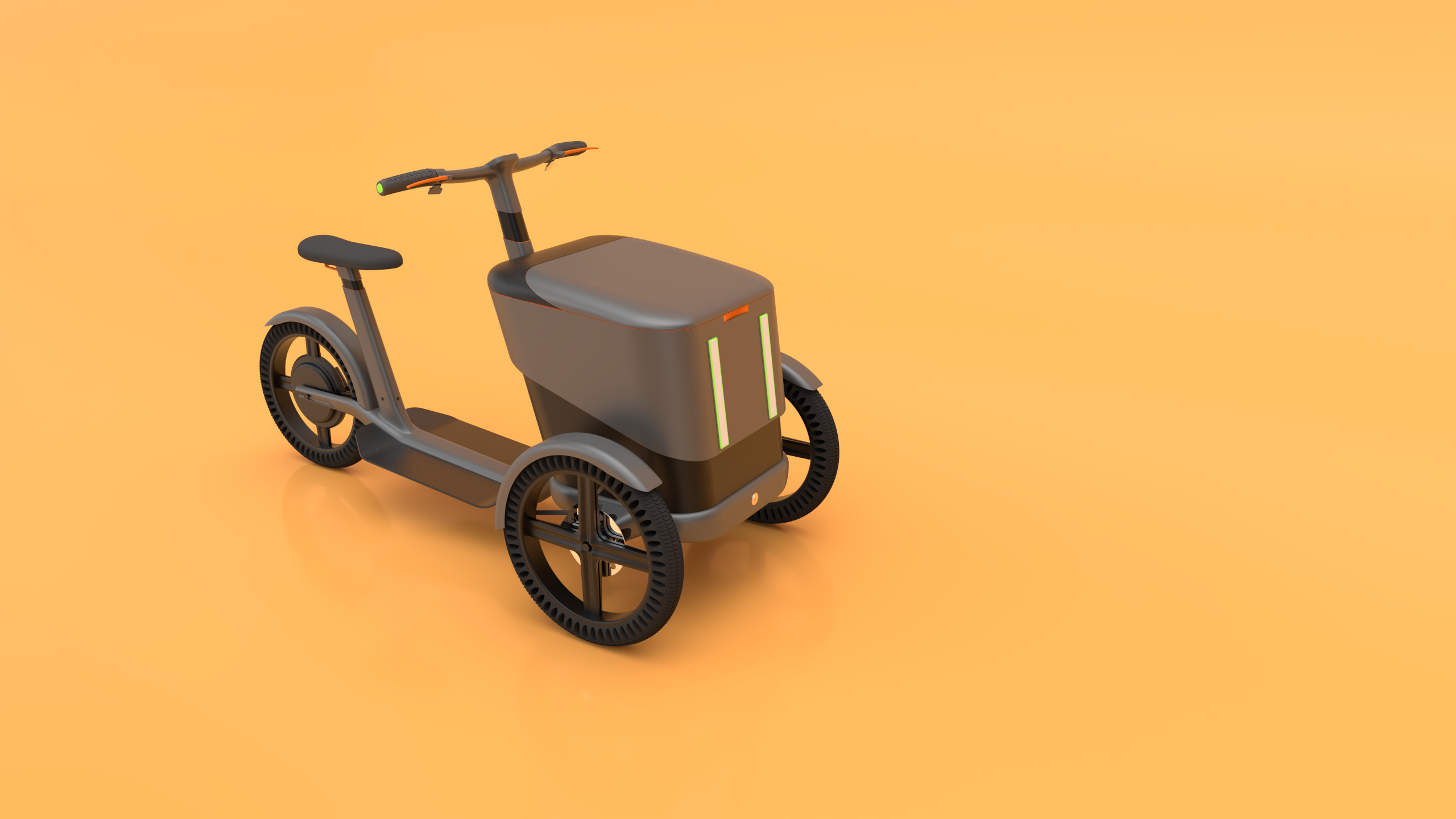
In his award-winning thesis, industrial designer Alex Fjällström explores a solution for future urban environments: an accessible shared micromobility vehicle designed to make shared mobility available to a wider range of users.
Originally a student at LAB Institute of Design, industrial design graduate Alex Fjällström initially set out to focus his thesis on bicycles and the future of cycling. His interest soon expanded through questions of sustainability to the changing mobility needs of cities and the possibilities of shared mobility. At the same time, a key question emerged: how could micromobility also be made accessible to people for whom current solutions are not suitable?
Fjällström’s final project, a concept for a micromobility vehicle developed at LAB Institute of Design, was awarded the Ornamo Award Wuorio Prize at the beginning of September.
Who are you?
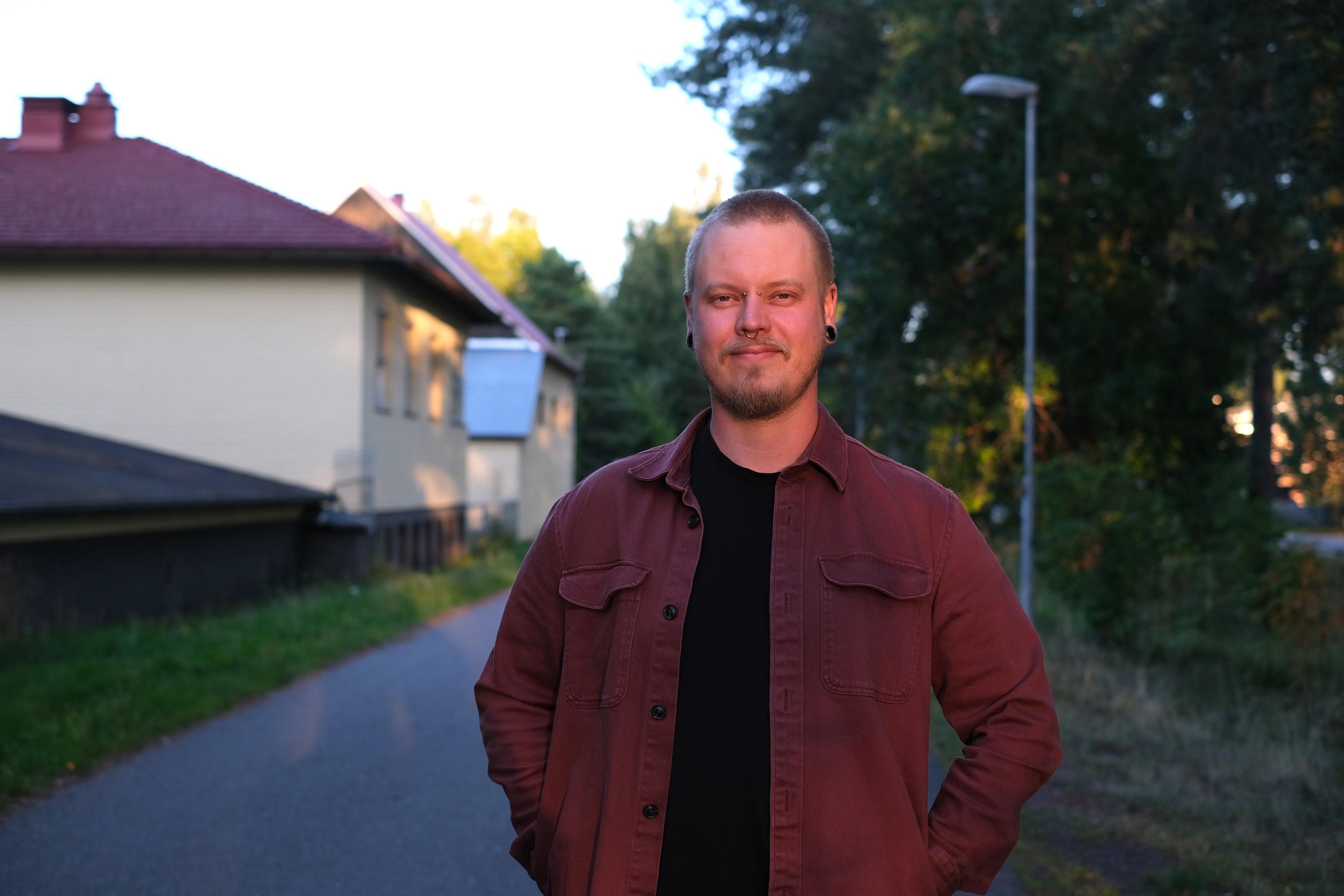
I am a 33-year-old newly graduated industrial designer from Kouvola. My previous qualification is in electrical installation, and I worked in the field for around ten years. Nature and environmental issues are close to my heart, and I want to reflect these values in my design work as well.
In addition to design, my passions include photography, art and reading. I also enjoy spending my free time at my cottage in North Karelia or going outdoors with my dog – preferably in the peace and quiet of the forest.
What is your thesis about, and how did you approach it?
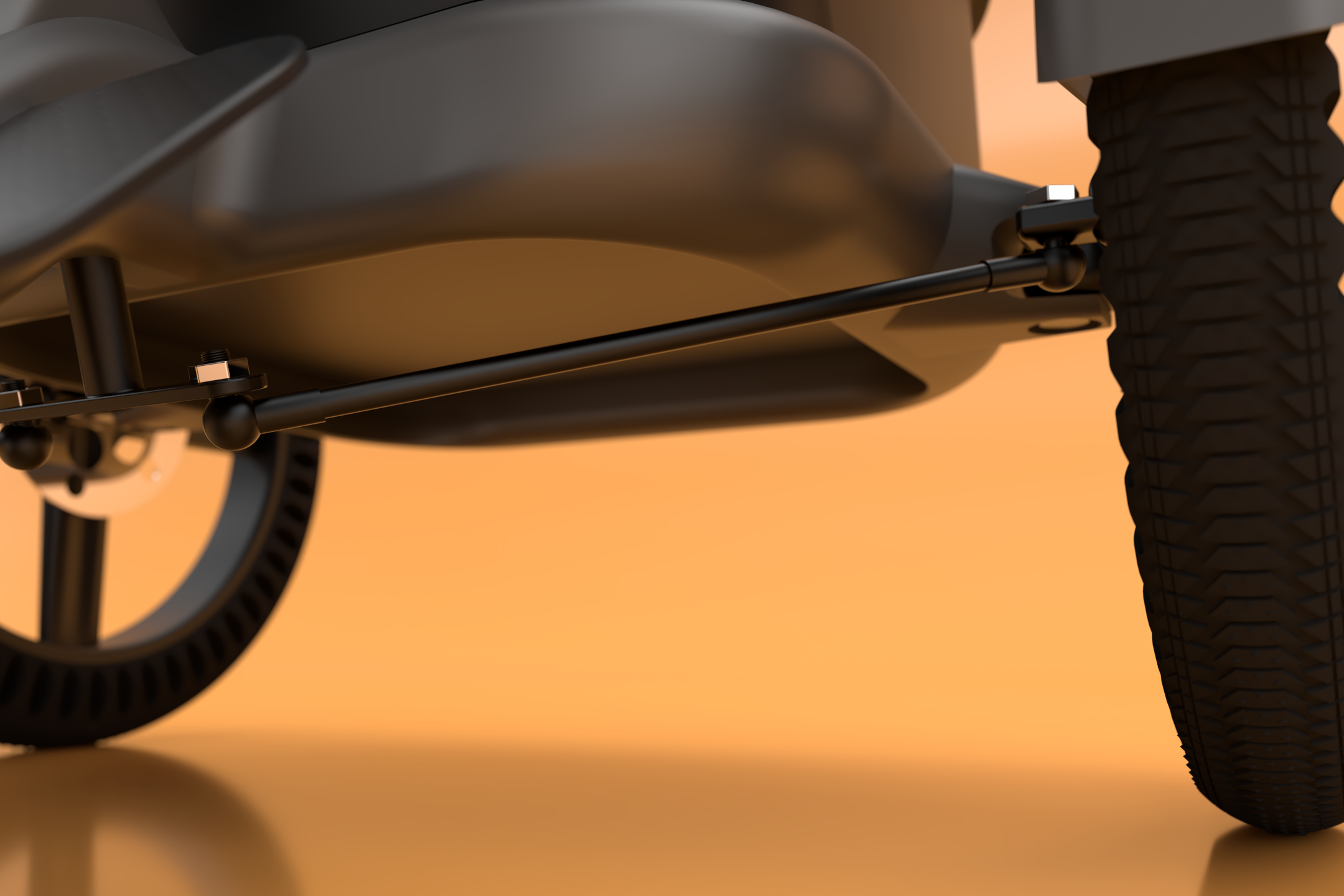
For my thesis, I designed a shared micromobility vehicle suited to the changing urban environment of the future. The concept is more accessible than many of the solutions currently available, with an emphasis on stability, simplicity, serviceability and repairability.
The concept responds to identified user needs and could serve as an alternative to private cars for everyday mobility. The starting points for the project were urbanisation, megatrends and climate change, all of which are transforming mobility needs, as well as the observation that current shared micromobility vehicles are not sufficiently accessible to serve diverse user groups.
Existing solutions exclude some potential users by requiring a certain level of balance, the ability to get on and off the vehicle, and confidence in using digital interfaces. The thesis was carried out as an independent project without a commissioning client.
Where did you get the idea for your thesis?
At the beginning of the thesis process, I kept both the options and the direction very open. Based on my personal interests, I initially focused on bicycles, cycling and their future.
Very quickly, however, I came across information about changes in urban environments, changing patterns of personal mobility and the opportunities created by shared mobility. Based on the needs identified during the initial research, the topic became more focused on designing an accessible micromobility vehicle particularly suited to shared use.
What is the significance of your thesis from the perspective of sustainable development?
Sustainable development is a recurring theme throughout my thesis. The concept has been designed for shared use, and one of its aims is to reduce private car use.
The wider adoption of vehicles like this could enable almost car-free urban environments, significantly reducing transport emissions. The concept is modular, easy to repair and designed to be readily recyclable at the end of its life cycle.
The idea is that when a component reaches the end of its use, it should not become waste, but instead be recyclable or reusable.
I believe my thesis could serve as an example for companies of how relatively simple solutions can be used to create concepts and products that are sustainable for both the environment and the user.
What am I going to do next?
I spent the summer focusing on my own art projects and participated in two art exhibitions between June and August. Now, my hope is to find a position where I could work on meaningful projects.
I would like to work on projects that have the potential to promote the wellbeing of both people and the environment.
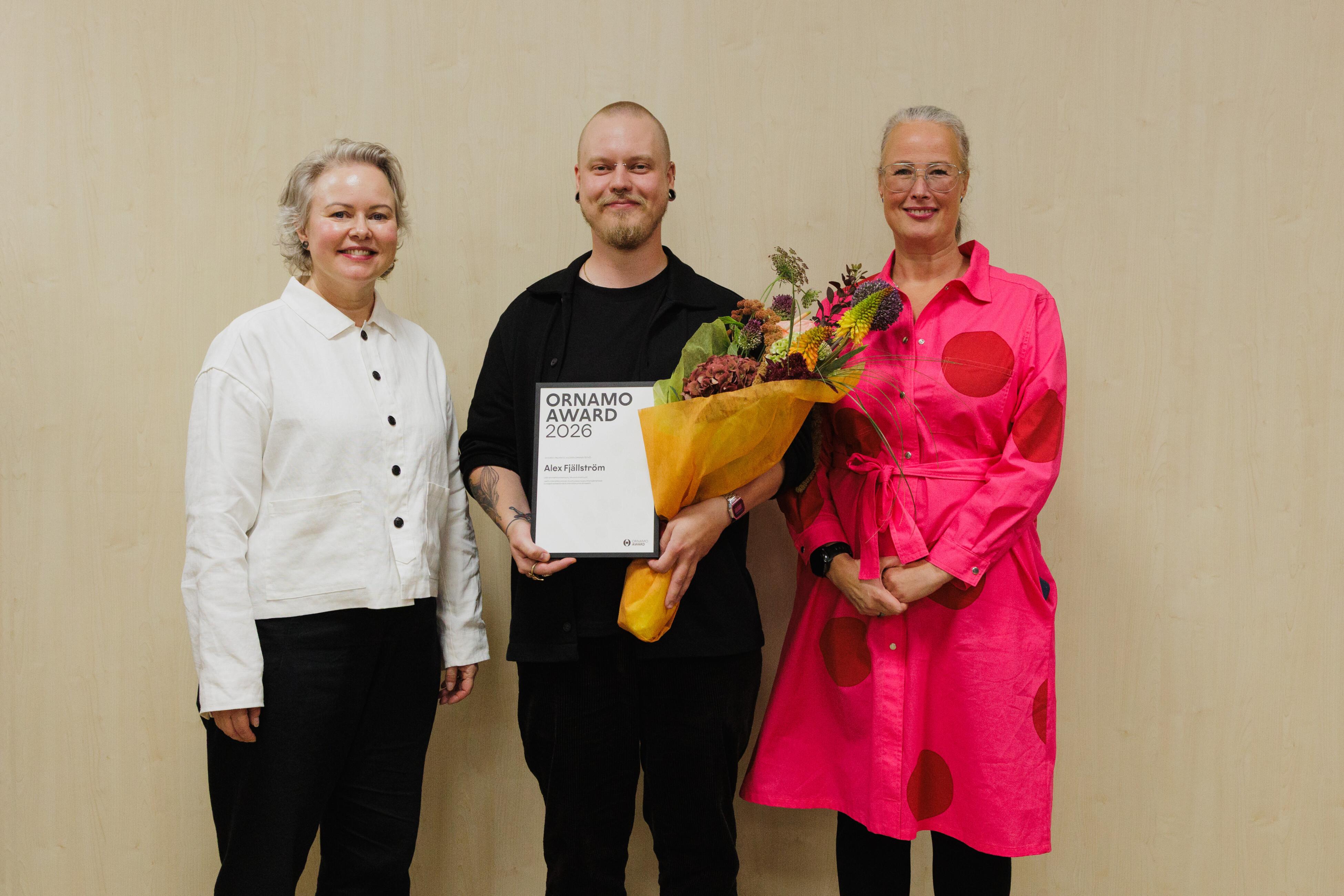
In the photo: Katja Soini, Chair of Ornamo; Alex Fjällström; and Salla Heinänen, Executive Director.
Ornamo Award: Wuorio Prize for Thesis of the Year
This year, the best thesis was selected by LAB Institute of Design. Alex Fjällström’s thesis, Shared Micromobility in a Changing Urban Environment – A Concept for an Accessible Micromobility Vehicle, was selected as the recipient of the Wuorio Prize. The prize is worth €1,000.
According to the jury’s citation, the thesis rethinks accessible mobility and explores how rapidly growing mobility services can be developed to better take different users into account. The work highlights the role of design in developing sustainable, accessible and equitable services.